

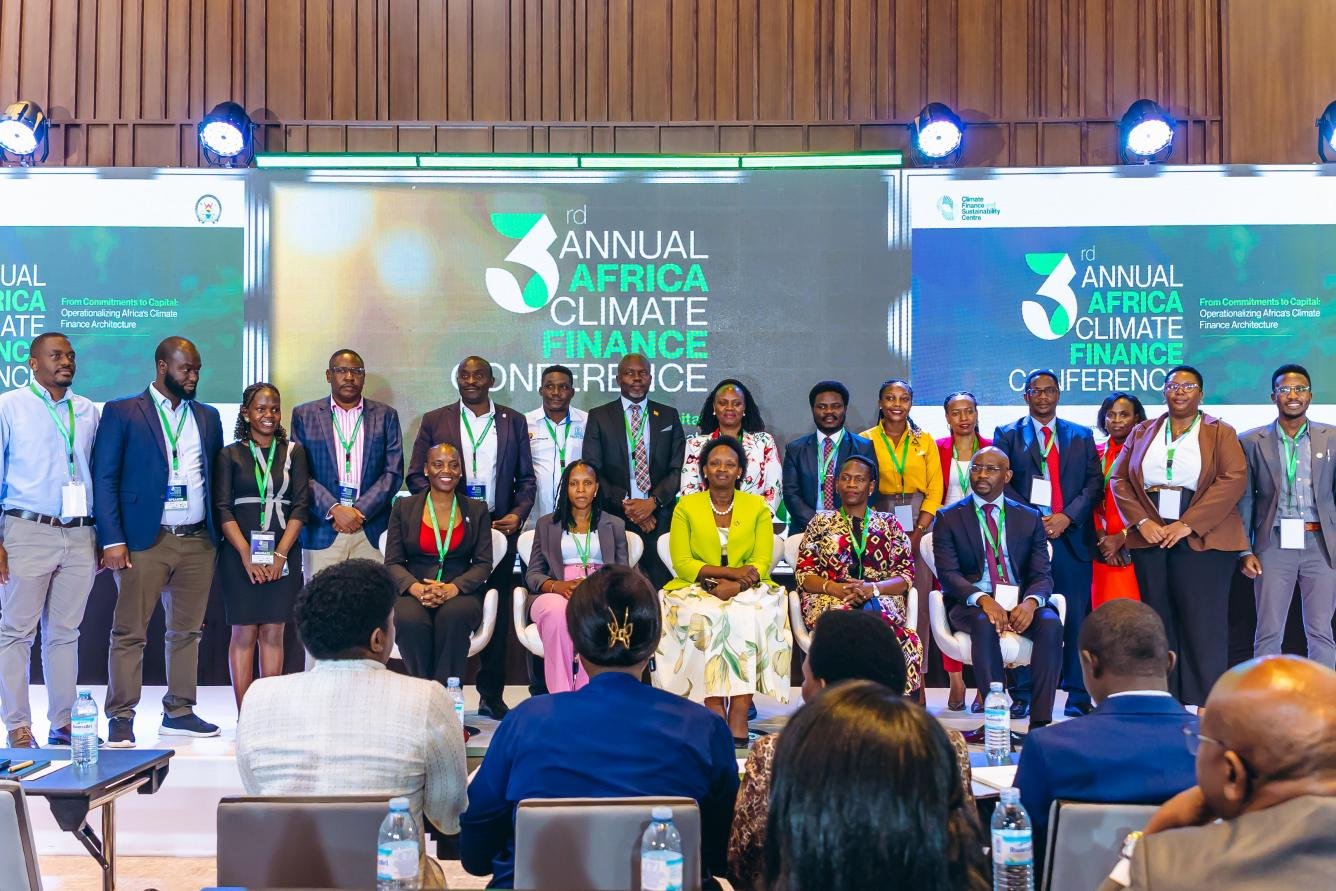
CINAT Group and climate stakeholders engage on Africa climate finance and sustainable investment during the two day conference at Marriott Hotel, Kampala, Uganda.
CINAT Group’s participation in the 3rd Annual Africa Climate Finance Conference, held from 1–2 September 2026 organised by the Climate Finance & Sustainability Centre at Makerere University Business School (MUBS), highlighted a critical question for Africa: How can available climate capital be effectively mobilised, intermediated and deployed to businesses, farmers and communities? The discussions reinforced that unlocking climate finance requires more than funding commitments; calling for stronger financial ecosystems, investment-ready projects, strategic partnerships and innovative risk-sharing mechanisms capable of translating capital into meaningful climate action and sustainable impact.
One of the thought-provoking discussions at the conference focused on Blended Finance for Domestic Capital Mobilisation in Uganda, highlighting the critical role of domestic financial institutions in taking climate finance to the last mile. Strengthening institutions, alongside improving data on domestic private-sector participation, will be essential to unlocking greater local capital for climate action. By combining public and private capital with guarantees, concessional financing and other risk-sharing mechanisms. Blended finance can help reduce investment risks and attract commercial capital, particularly in sectors such as agriculture, renewable energy, sustainable infrastructure and climate-smart enterprises. However, these mechanisms must be matched with patient capital, longer-tenor financing and investment-ready businesses capable of demonstrating viable and scalable solutions.
For businesses, climate action presents an opportunity to move beyond viewing sustainability as a compliance requirement and instead embrace it as a driver of innovation, investment and growth. The discussions also highlighted the importance of a strong policy and regulatory environment, with frameworks such as the National Green Taxonomy and climate-related financial-sector guidelines providing greater clarity on sustainable economic activities and investment opportunities. A strong policy environment can boost confidence and help businesses access climate finance, partnerships and new opportunities.
The conference also underscored the importance of connecting knowledge with capital and action. As Dr. Mary Nantongo, Director of the Climate Finance & Sustainability Centre, emphasised, the Centre’s role is to “build the bridge between knowledge and capital.” Prof. Moses Muhwezi, Principal of Makerere University Business School, similarly stressed the importance of ensuring that research responds to community needs and that practitioners are actively engaged in research and education. These perspectives underscore the need for stronger collaboration across the climate-finance ecosystem to turn knowledge and research into investment, action and measurable impact.
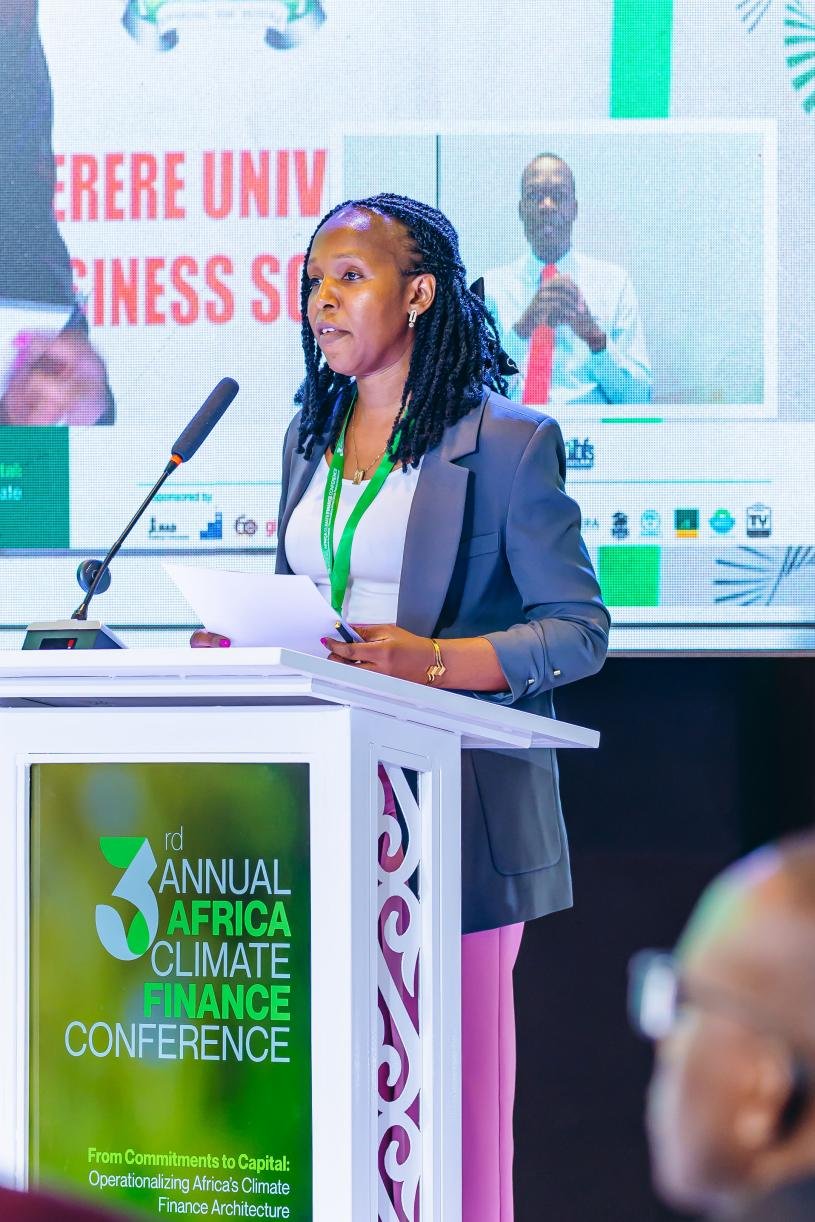
For CINAT Group, the conference reinforced that climate finance is increasingly a business, investment, innovation and partnership opportunity. With expertise across strategy, communications, marketing, technology, logistics and business solutions, CINAT Group is committed to leveraging integrated approaches, strategic partnerships and effective stakeholder engagement to connect ideas, institutions, markets and opportunities, helping translate climate-finance priorities into practical solutions and sustainable impact.
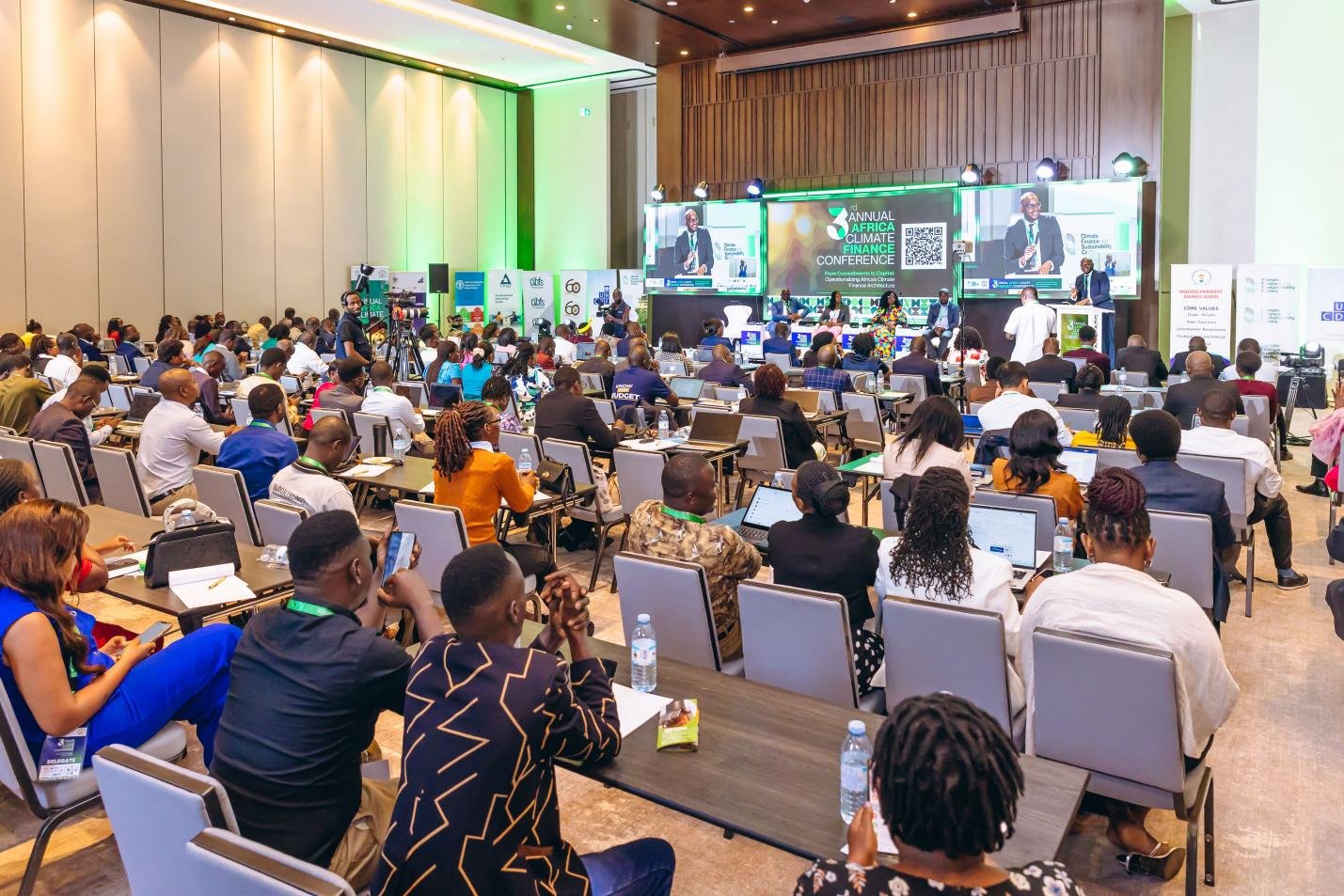
The launch of the Africa Climate Finance Outlook 2026 at the conference which highlights the key challenges, interventions and recommendations shaping climate finance across the continent, reinforcing the need to move beyond mobilisation towards intermediation, deployment and impact. The conference also witnessed the launch of the Uganda Climate Innovation Challenge (UCIC) 2026, highlighting the growing focus on supporting innovative climate solutions. For Uganda, advancing climate action will require strengthening domestic financial institutions, expanding risk-sharing mechanisms, supporting patient capital, improving investment readiness and data, and fostering stronger collaboration among government, financial institutions, businesses, researchers, development partners and communities.

Ultimately, unlocking domestic climate capital requires stronger ecosystems, moving from commitments to implementation and from mobilisation to measurable impact, while enabling businesses to become active drivers of a more resilient and sustainable economy.
From knowledge to capital. From capital to action. From partnerships to impact.